Dental veneers are a popular choice for people who want to improve their smile. Many people ask, “Are dental veneers right for me?” In this blog, you will learn what dental veneers are, who should consider them, and what to expect from the dental veneer procedure. We will also cover the benefits, risks, and alternatives to help you make an informed decision.
What Are Dental Veneers?
Dental veneers are thin shells made from porcelain or resin. Dentists place them on the front of your teeth. Usually, people choose veneers to fix chipped, stained, or uneven teeth. For example, if you have a gap between your teeth, veneers can help close it. According to the American Dental Association, veneers are a safe and common cosmetic dentistry option.
Who Is a Good Candidate for Dental Veneers?
Not everyone is a good fit for dental veneers. However, you may be a good candidate if you:
On the other hand, if you have gum disease or weak teeth, your dentist may suggest other treatments. Always talk to your dentist before making a decision.
Benefits of Dental Veneers
Dental veneers offer many benefits. For instance, they can:
Additionally, porcelain veneers are strong and last for many years. Many people choose veneers because they want a quick and lasting smile makeover.
Potential Risks and Considerations
Even though dental veneers are safe, there are some risks. For example, the process is not reversible. Once your dentist removes some enamel, you cannot get it back. Also, veneers can chip or crack if you bite hard foods. Sometimes, you may feel tooth sensitivity after the procedure. Before choosing veneers, weigh the pros and cons carefully. Your dentist can help you understand all the risks.
The Dental Veneer Procedure: What to Expect
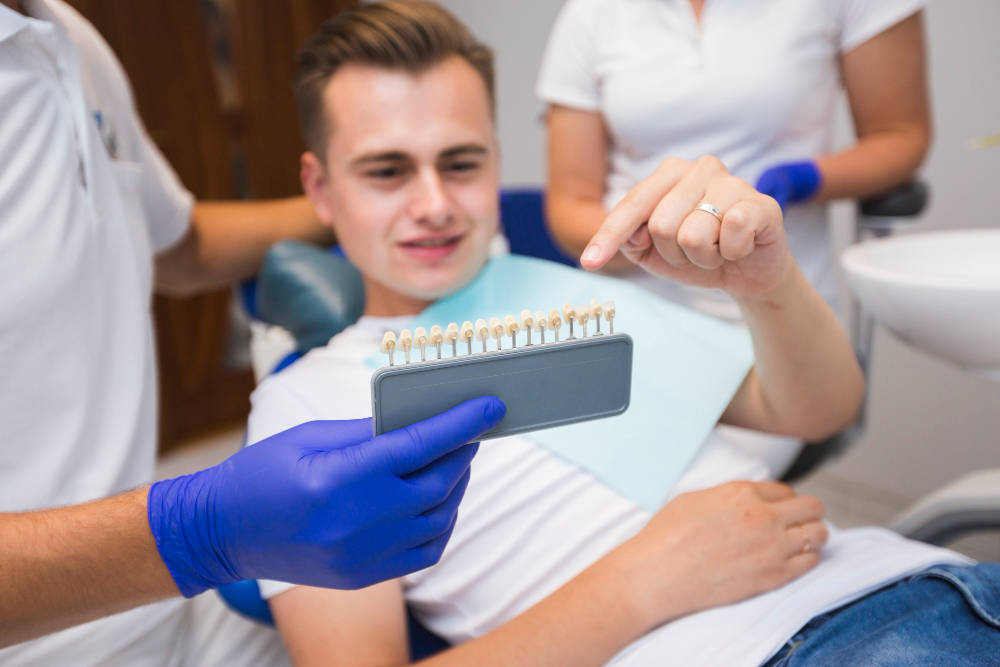
The dental veneer procedure usually takes two or three visits. Here is what you can expect:
The process is simple and usually painless. However, you may feel mild discomfort for a short time.
Aftercare and Longevity
Proper care helps your dental veneers last longer. For best results, follow these tips:
With good care, porcelain veneers can last 10 to 15 years. Resin veneers may last 5 to 7 years. If a veneer chips or falls off, your dentist can repair or replace it.
Alternatives to Dental Veneers
Sometimes, other cosmetic dentistry options may suit your needs better. For example, you can consider:
Each option has its own pros and cons. Therefore, talk to your dentist about the best choice for your smile.
Frequently Asked Questions
In summary, dental veneers can give you a brighter, more even smile. However, they are not right for everyone. Consult a qualified dentist at at Cure32 Dental Clinic and Implant Centre to find out if dental veneers are right for you.