
Introduction
Managing dental anxiety in children can be a challenge for many parents. Often, kids feel scared or nervous before a dental visit. However, with the right support, you can help your child feel calm and safe. In this blog, we will explore what dental anxiety is, why it happens, and how parents can help their children overcome fear of the dentist. You will also find helpful tips and learn how dentists work to make visits easier for kids.
What Is Dental Anxiety in Children?
Dental anxiety in children means feeling scared or worried about going to the dentist. Sometimes, this fear can stop kids from getting the care they need. For example, a child might cry, refuse to sit in the dental chair, or avoid visits altogether. Dental anxiety is common, but it can be managed with the right approach. According to the American Dental Association (ADA), early support can help children build trust and confidence during dental visits.
Common Causes of Dental Anxiety
Many factors can cause dental anxiety in children. Understanding these reasons can help parents address their child’s fears. Some common causes include:
Because each child is different, the cause of anxiety may vary. But, knowing these triggers can help you prepare your child for a positive visit.
Signs Your Child May Be Anxious About the Dentist
It is important to notice signs of dental anxiety early. This way, you can support your child before the fear grows. Look for these common signs:
Sometimes, children may not say they are scared. Instead, they show their anxiety through actions. Therefore, paying attention to these signs can help you respond quickly.
Effective Tips for Parents to Manage Dental Anxiety
Parents play a key role in helping children overcome dental fear. Here are some proven tips:
Because every child is unique, you may need to try different tips to see what works best.
How Dentists Help Children Feel Comfortable
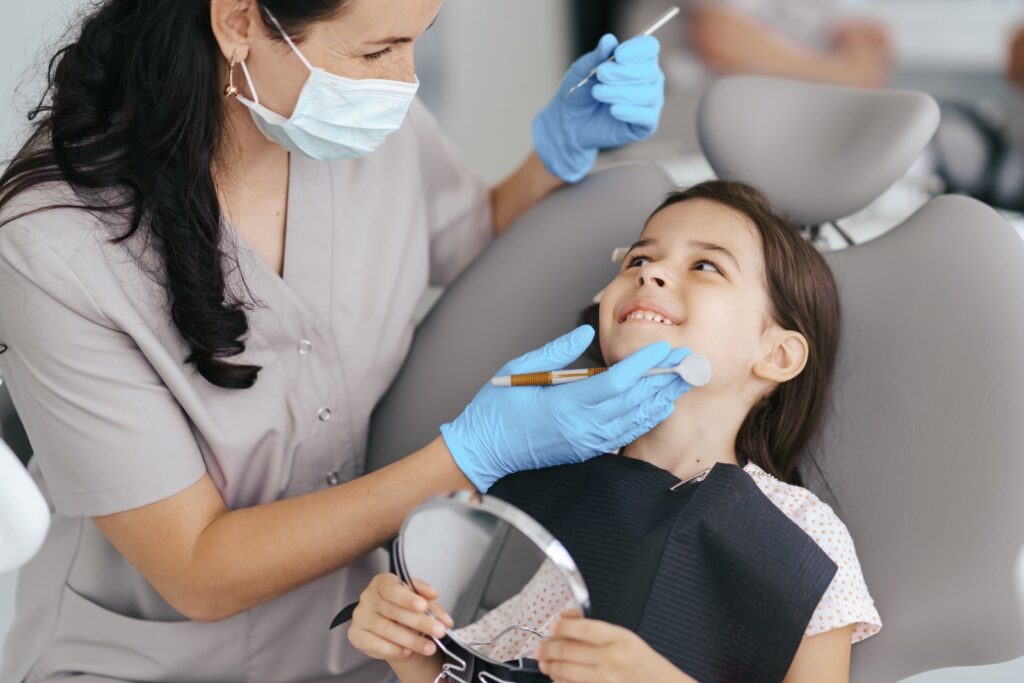
Pediatric dentists are trained to work with children who have dental anxiety. They use special techniques to help kids feel safe and relaxed. For example, many dental offices have colorful rooms, toys, and friendly staff. Dentists often explain each step in simple words. Sometimes, they use gentle distractions like music or videos. In some cases, dentists may suggest safe sedation options for very anxious children. According to the CDC, these methods help reduce fear and make dental care easier for kids.
Prevention: Building Positive Dental Experiences Early
Preventing dental anxiety starts with positive early experiences. Here are some ways to help your child build good feelings about dental care:
As a result, your child will learn that dental visits are a normal and safe part of staying healthy.
Conclusion
Dental anxiety in children is common, but parents can help their kids overcome it. With early support, positive language, and the right dentist, children can feel safe during dental visits. If your child is anxious, do not wait. Is your child anxious about dental visits? Consult Cure32 Dental Clinic and Implant Centre for expert pediatric dental guidance and a comfortable care experience.