
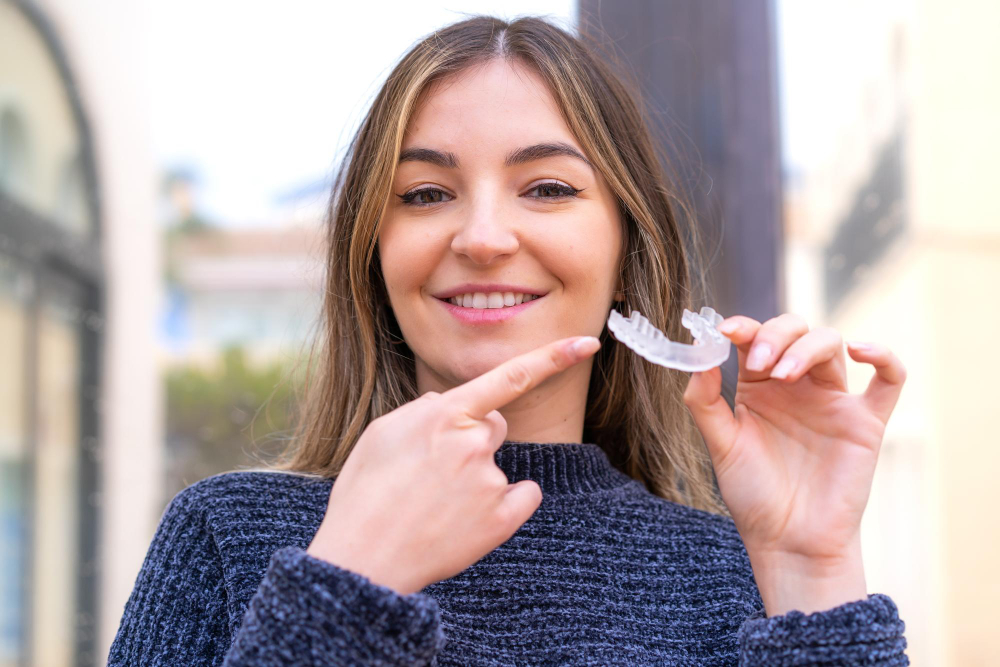
What Are Retainers?
Retainers are custom-made devices that help keep your teeth in place after braces or other orthodontic treatment. Usually, your orthodontist will give you a retainer once your braces come off. In fact, retainers after orthodontic treatment are just as important as the braces themselves. While braces move your teeth, retainers help hold them in their new spots. This way, your smile stays straight and healthy.
Why Are Retainers Important After Orthodontic Treatment?
After braces, your teeth can shift back to their old positions. However, wearing a retainer helps prevent this. According to the American Association of Orthodontists, teeth are most likely to move in the first few months after braces. Because of this, wearing your retainer as directed is key. Not only does it protect your smile, but it also saves you from needing more treatment later. Even after years, teeth can still move. So, using a retainer helps keep your results for life.
Types of Retainers
There are several types of retainers. Each type has its own benefits. Your orthodontist will help you choose the best one for your needs. For example, some retainers are removable, while others are fixed in place.
Because each type works differently, your orthodontist will explain which is best for you.
How to Care for Your Retainer
Proper care keeps your retainer clean and working well. First, always follow your orthodontist’s instructions. Next, clean your retainer every day. For removable retainers, use a soft toothbrush and mild soap or retainer cleaner. Avoid hot water, as it can warp the plastic. If you have a fixed retainer, brush and floss around it carefully. In addition, store your removable retainer in its case when not in use. This helps prevent loss or damage.
Because good care prevents problems, make cleaning your retainer a daily habit.
Common Issues and Solutions
Sometimes, people have trouble with their retainers. For instance, a retainer may feel tight or uncomfortable at first. However, this usually gets better as you get used to it. If your retainer breaks or does not fit, contact your orthodontist right away. Lost retainers are also common. Therefore, always keep your retainer in its case when not in use. If your retainer smells bad, soak it in a retainer cleaner or ask your orthodontist for advice. Because quick action can prevent bigger problems, do not ignore any issues.
Tips for Maintaining Your Smile
After braces, keeping your smile straight takes effort. Wearing your retainer as directed is the most important step. In addition, practice good oral hygiene. Brush and floss every day to keep your teeth and retainer clean. Visit your dentist and orthodontist for regular check-ups. If you play sports, ask about a mouthguard to protect your teeth and retainer. Because small steps make a big difference, follow these tips for the best results:
Frequently Asked Questions About Retainers
How long do I need to wear my retainer?
Most people wear their retainer every night for life. However, your orthodontist may adjust your schedule over time.
Can I eat with my retainer?
For removable retainers, take them out before eating. Fixed retainers stay in place, but avoid biting hard foods.
What if I lose my retainer?
Contact your orthodontist as soon as possible. A new retainer can help prevent teeth from shifting.
How do I know if my retainer fits?
Your retainer should feel snug but not painful. If it feels too tight or loose, let your orthodontist know.
Why do my teeth feel sore when I wear my retainer?
This can happen if you skip wearing it for a while. Usually, the soreness goes away after a few days of regular use.
Because your smile is worth protecting, using and caring for your retainer is key to lasting results. Consult at Cure32 Dental Clinic and Implant Centre