What Is Dental Restoration?
Dental restoration is a way to repair damaged teeth and restore tooth function. When teeth break, decay, or wear down, dentists use special treatments to fix them. As a result, you can eat, speak, and smile with confidence. Dental restoration includes many options, from simple fillings to more complex crowns and bridges. For people in need of dental restoration in their area, local dentists offer a range of solutions. According to the World Health Organization, keeping teeth healthy is important for overall well-being.
Common Causes of Tooth Damage
Many things can harm your teeth. However, knowing the causes helps you protect your smile. Some common reasons for tooth damage include:
For example, children and adults who play sports may face a higher risk of tooth injuries. In addition, skipping regular dental visits can let small problems grow bigger.
Types of Dental Restoration Procedures
There are several types of dental restoration. Each one helps repair damaged teeth and restore function. Some common dental restoration procedures include:
Because each person’s needs are different, dentists choose the best type of dental restoration for each case.
How Dentists Diagnose Damaged Teeth
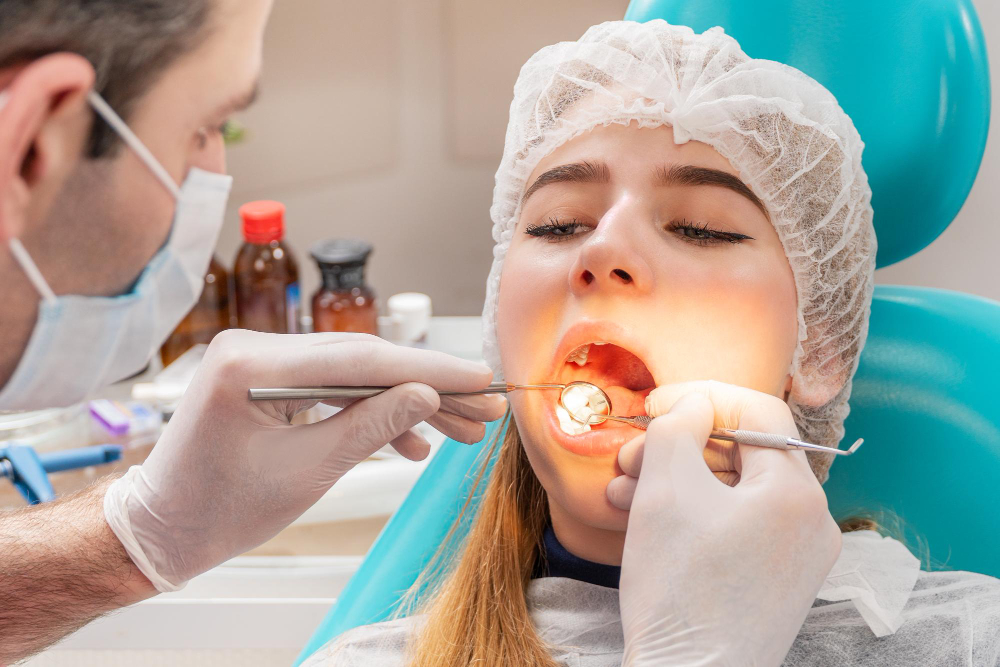
First, dentists look at your teeth and gums. They may ask about pain, sensitivity, or trouble chewing. Next, they use special tools to check for cracks, decay, or loose fillings. Often, dentists take X-rays to see inside teeth and under the gums. This helps them find hidden problems. Sometimes, they use special lights or dyes to spot early damage. With these steps, dentists can find the cause and plan the right dental restoration.
Treatment Options for Dental Restoration
Once dentists know what is wrong, they suggest the best treatment. Some options for repairing damaged teeth and restoring tooth function are:
Because everyone’s teeth are unique, your dentist will explain which dental restoration is right for you. In many cases, combining treatments gives the best results.
Benefits of Restoring Damaged Teeth
Restoring damaged teeth offers many benefits. For instance, you can chew food more easily and speak clearly. In addition, dental restoration helps prevent further damage or tooth loss. Healthy teeth also boost your confidence and let you smile without worry. According to the Centers for Disease Control and Prevention (CDC), treating dental problems early can protect your overall health. Moreover, restored teeth are easier to clean, which lowers the risk of future decay or gum disease.
Preventing Tooth Damage and Maintaining Restorations
Taking care of your teeth helps prevent damage and keeps restorations strong. Here are some helpful tips:
Because restorations can wear out over time, regular dental visits help catch problems early. If you notice pain, cracks, or loose fillings, contact best dentist right away at Cure32 Dental Clinic and Implant Centre. By following these steps, you can keep your smile healthy and strong for years to come.