What is a Dental Implant?
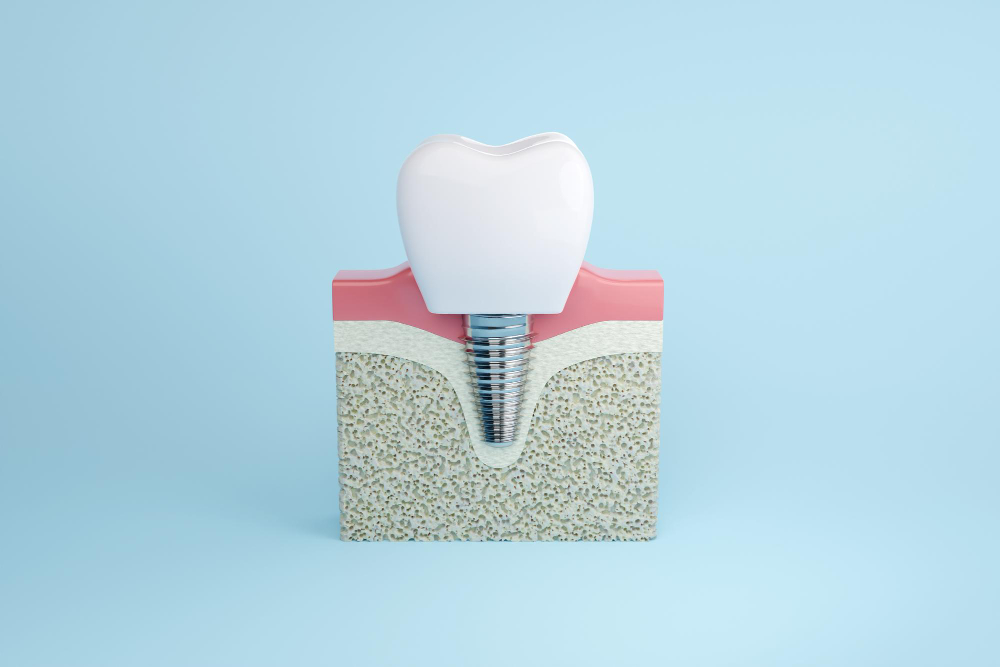
A dental implant is a small post made of metal. Dentists use it to replace missing teeth. The dental implant procedure places this post into your jawbone. Over time, it acts like a natural tooth root. Because of this, dental implants are a popular tooth replacement option. Many people choose them for their strength and natural look. In fact, dental implant benefits include improved chewing and a confident smile.
How Does a Dental Implant Work?
First, the dentist places the implant into your jawbone. Next, the bone grows around the implant. This process is called osseointegration. As a result, the implant becomes strong and stable. After healing, a connector called an abutment is added. Finally, a crown (an artificial tooth) is attached. This crown matches your other teeth in color and shape. So, the dental implant looks and feels like a real tooth.
Benefits of Dental Implants
Dental implants offer many advantages over other tooth replacement options. For example, they:
Because of these benefits, many people prefer dental implants in their city or region.
Who is a Good Candidate for Dental Implants?
Not everyone is a good candidate for dental implants. However, you may be suitable if you:
Still, your dentist will check your mouth and health history. Therefore, it is important to have a full dental exam before starting the dental implant procedure.
What to Expect During the Dental Implant Procedure
The dental implant process happens in several steps. Usually, it takes a few months from start to finish. Here is what you can expect:
Because healing takes time, you may need to visit the dentist several times. But each step is important for a strong, lasting result.
Aftercare and Recovery Tips
Proper care helps your dental implant last longer. After the procedure, follow these tips:
With good care, your dental implant can last for many years.
Risks and Considerations
Although dental implants are safe, there are some risks. For instance, you may have:
However, most problems are rare and can be treated. Your dentist will discuss these risks before the dental implant procedure. Therefore, always follow your dentist’s advice for the best results.
In summary, dental implants are a strong and natural-looking way to replace missing teeth. If you want to know if dental implants are right for you, consult a qualified dentist at Cure32 Dental Clinic and Implant Centre for personalized advice.